ServicesEquipment Sales
Loading Dock Equipment Sales in Scranton
We help warehouses, distribution centers and receiving docks choose levelers, restraints and doors that fit the trucks they actually see. The person who measures your dock is the one who writes the spec and stays with the job through delivery and setup.
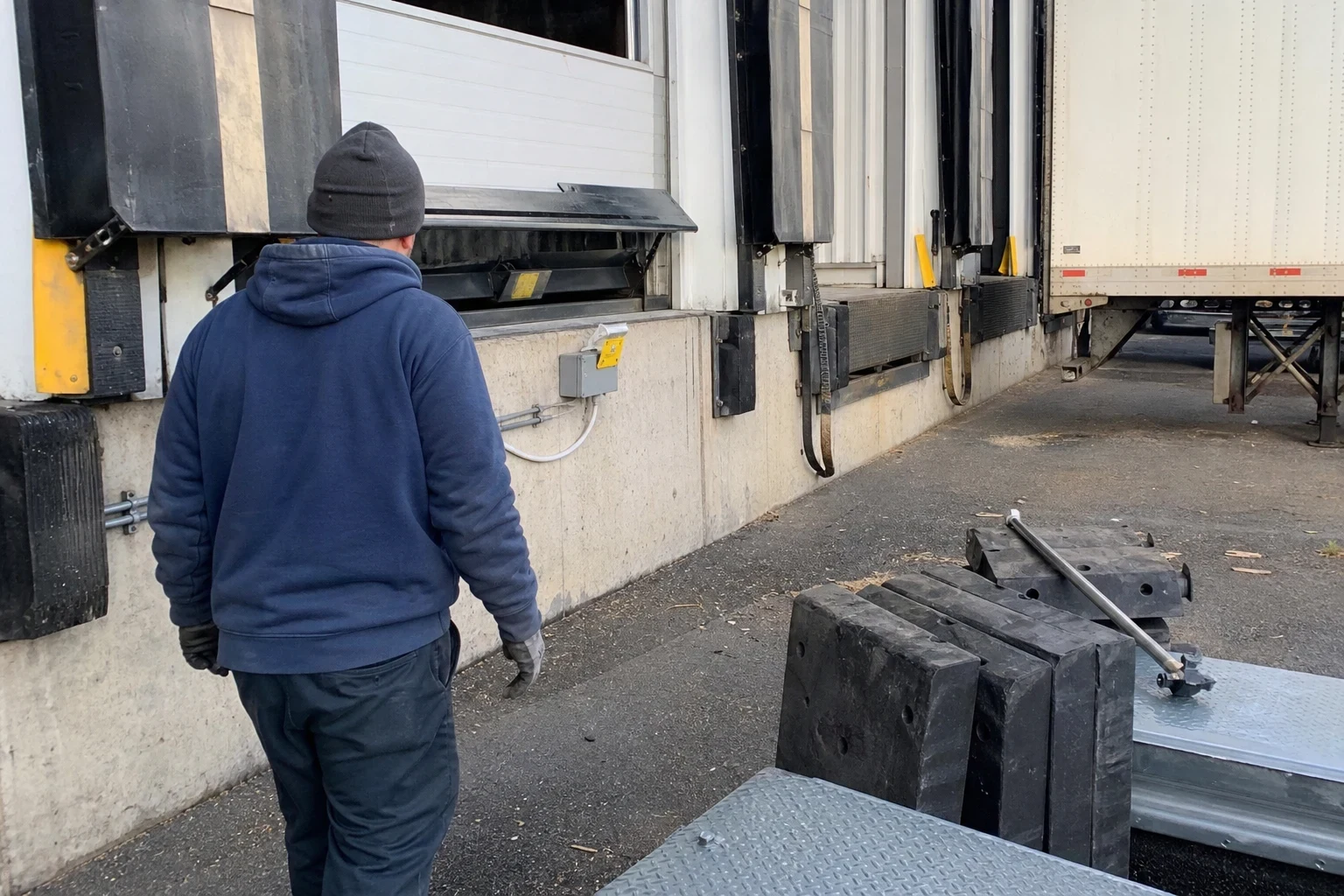
Buying Equipment That Fits the Dock You Have
Most dock equipment problems start at the purchase. A leveler rated for lighter forklifts gets worked by a heavier one with a battery pack. A lip that is too short leaves a gap at the end of a refrigerated trailer. A door is ordered to the opening size without anyone checking the headroom for the track.
We sell loading dock equipment the slow way. We look at your dock height, the range of trailers that back in, your forklift and load weights, how many doors cycle in a shift and what the space needs to hold for heat. Then we recommend specific equipment and explain why each choice fits. Sometimes the answer is a smaller purchase than you expected, or a repair instead of a replacement.
Because we are a small crew, the same people carry your order from the first walk-through to the day it goes in. Nothing gets lost between a salesperson and an installer, because there is no handoff.
What Our Equipment Sales Include
- An on-site look at each door
- We measure the pit or dock face, the opening, headroom and side room, and note the condition of the concrete and embed steel. We also watch how trucks and forklifts move through the dock on a normal day if you allow it.
- Dock levelers matched to load and trailer range
- We compare hydraulic, mechanical and edge-of-dock options against your capacity needs, deck width and lip length. Capacity is figured from your heaviest loaded forklift and how often it crosses, not just the weight of the pallet.
- Vehicle restraints and door options
- We cover vehicle restraints, sectional overhead doors, high speed doors and rolling grilles in the same review, so every piece at a door works together. A restraint that conflicts with a leveler's controls or a door that blocks the lip is caught on paper.
- A written, line-item recommendation
- You get each item listed with its model type, rating and the reason we chose it. If two options are both reasonable, we show both and explain the tradeoff in plain terms.
- Coordination with installation
- When you are ready, our Loading Dock Equipment Installation work picks up with the same people. We sequence delivery and setup door by door to keep your receiving running.
Signs It Is Time to Look at New Equipment
Repairs keep coming back
When a leveler or door needs the same part replaced season after season, the repair bill starts to approach the price of a better-suited unit. We will show you where that line is for your equipment.
Your trucks changed, your dock did not
New carriers, more reefer trailers or a shift to box trucks can leave old levelers working outside their range. Steep ramp angles slow forklifts and wear on loads and on the equipment itself.
Trailer creep and gaps at the dock edge
If trailers drift away from the dock during loading or wheel chocks are your only safeguard, a vehicle restraint is worth discussing. This is one of the most common safety upgrades we spec.
Heat loss and drafts at the doors
Through a northeastern Pennsylvania winter, a slow or poorly sealed door costs real heating money and makes the dock miserable to work. A different door type can change that more than repeated adjustments will.
An expansion or new tenant
Adding doors or fitting out a building for a new use is the cleanest time to choose equipment that fits from the start.
What Moves the Price of Dock Equipment
Equipment price depends far more on what the dock asks of it than on the brand on the plate. We explain each cost driver in your recommendation so you can see where the money goes. We do not quote numbers before we have measured, because a guess at this stage helps no one.
Capacity and duty cycle
A leveler for occasional deliveries is built very differently from one crossed by heavy forklifts every few minutes across three shifts. Higher ratings mean heavier steel and stronger hinges.
Type of operation
Hydraulic levelers and powered restraints cost more up front than mechanical units but ask less of your operators and often wear more evenly.
Condition of the pit and dock face
Cracked concrete, damaged curb angle or an out-of-square pit may need work before new equipment can sit properly. We point this out during the visit, not on delivery day.
Door size, speed and insulation
Larger openings, insulated panels and high speed operation each add cost, and each can return it in heating savings or faster throughput.
Number of doors and phasing
Ordering several matching units at once is usually more efficient, though we can phase purchases if that suits your budget.
From First Walk-Through to Delivery Day
- 1
Begin with a phone conversation
Describe what is happening at your dock and what you hope to change. We ask about your trailers, forklifts and number of doors so the visit covers what matters.
- 2
Measurements at your facility
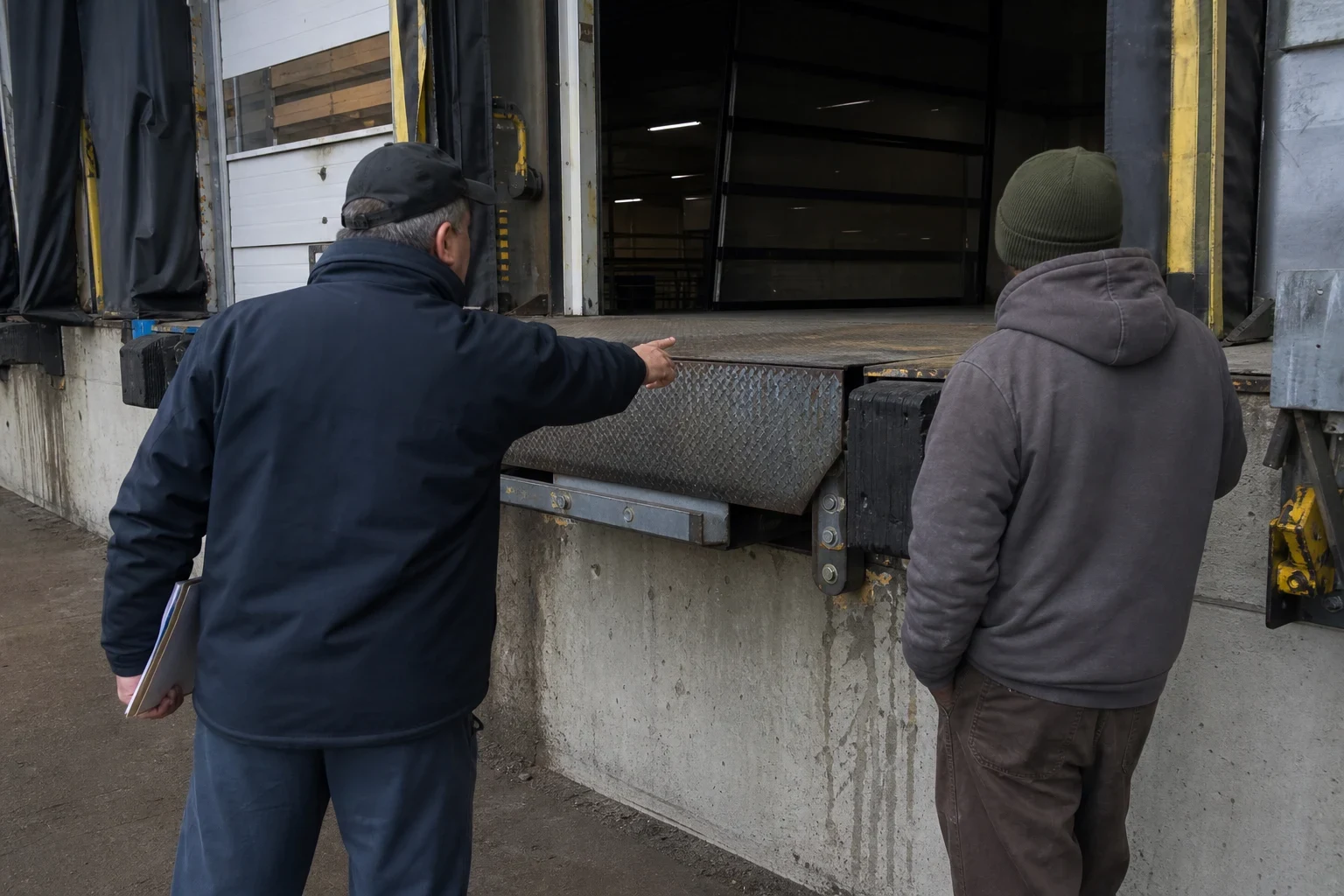
We visit your building in Scranton or a nearby town such as Dunmore, Old Forge or Pittston, measure each door and photograph it. We write down anything in the concrete or framing that might affect the install.
- 3
Reviewing what we recommend
We walk through the written recommendation with you in person or by phone. You can change quantities, split the work over several budgets or drop items, and we will not push.
- 4
From order to working equipment
Once you approve, we place the order and keep you updated on lead times. The same crew receives the delivery, installs each unit and shows your staff how to run it safely.
Equipment Sales Questions
Can you tell me if repair makes more sense than buying new?
Yes, and we will say so plainly. If a leveler's frame and pit are sound, a new cylinder or hinge pins may give it years more service. Our Loading Dock Preventative Maintenance and Dock Levelers pages cover that side of the work.
Do I have to buy installation from you too?
No, though most customers do because the person who specified the equipment also sets it. If you have your own contractor, we will provide the measurements and spec sheet so they have what they need.
How do I know what capacity leveler I need?
We start with the gross weight of your heaviest loaded forklift and how often it crosses the plate. Impact from crossing a ramp is higher than the static load, so the rating needs headroom above the pallet weight alone. We show you the math in the recommendation.
Can you match equipment we already have at other doors?
Usually. We note the existing models and dimensions during the visit and look for units that will operate the same way, so your crew is not learning different controls at every door.
How long does it take to get equipment once we order?
Lead times vary by equipment type and season, and custom door sizes take longer than standard levelers. We give you the current estimate when you approve the order and keep you posted if it changes.
Start With an Honest Look at Your Dock
Tell us about your trucks, loads and doors, and we will set up a time to measure. You will get a clear recommendation from the same people who will be there on install day.